Project
Humanitarian Crisis Fund for Nepal Flood_October 2024
Description
About this project
Dhading, a district in Central Nepal, is highly vulnerable to natural hazards such as landslides, floods, and
earthquakes, compounded by poverty, poor infrastructure, and limited access to basic services. Recent
disasters have caused significant loss of life and property, highlighting the urgent need for resilience-
building measures. This three-month project, in partnership with DCA Nepal, local governments, and
other stakeholders, aims to strengthen the resilience of the most vulnerable communities through risk
reduction and mitigation activities. Key interventions include technical mitigation and soil stabilization in
landslide-affected areas, promoting longer-term sustainability, and providing immediate cash assistance
to support community labor in response efforts. The project seeks to reduce disaster impacts and
contribute to sustainable development in Dhading.
Project Timeline
Duration and implementation flow
Objectives
To provide technical mitigation to landslide affected areas.
To help in stabilization of soil in landslide affected areas.
To enhance longer sustainability and reduce immediate effect.
To provide immediate cash assistance to groups for labour payment work.
Activities
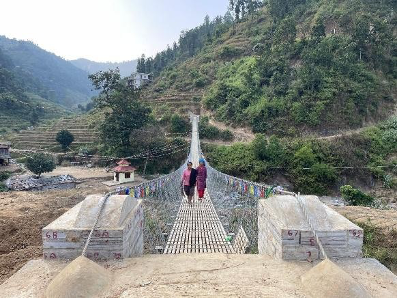
• A community was protected at Benighat Rorang RM-03,Bichbajar with 73.5 m3 of Gabion work,6.3 m3 of masonry work and 14.5m3 of plumb work.
• A community was protected at Siddhalekh RM -04, Gauthale with 101 m3 of Gabion work.
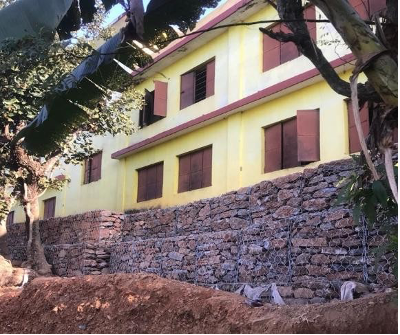
• Government School named Kalidevi Secondary School at Siddhalekh RM-04, Aarubas was mitigated from the impact of landslide with 106.5 m3 of Gabion work.
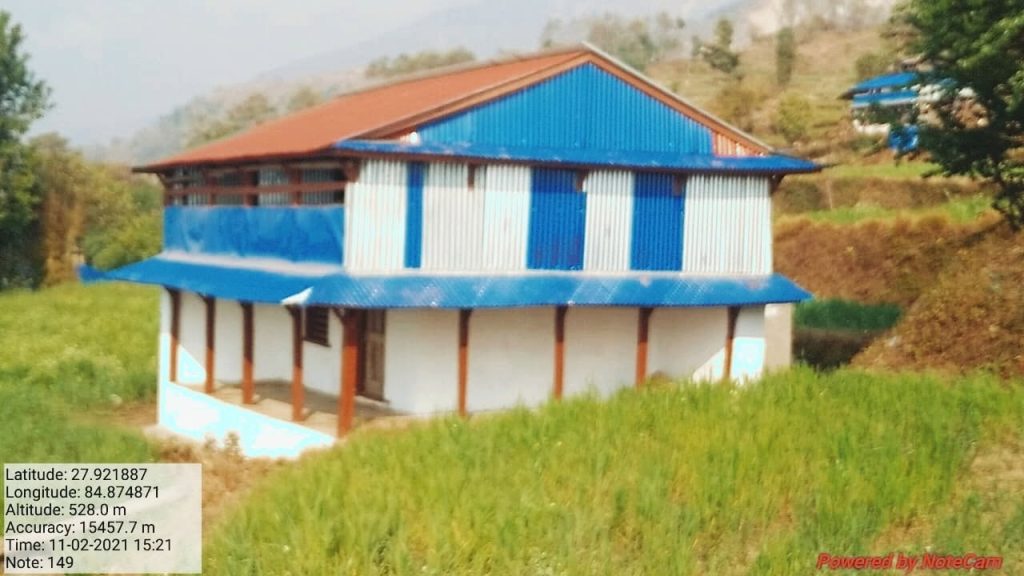
• A house was protected from landslide at Siddhalekh RM-04 Bhedabari with 37 M3 of Gabion work.
Gallery
Project photos
SDGs Impacted
Sustainable Development Goals connected to this work
 SDG 11: Sustainable Cities and Communities
 SDG 13: Climate Action
Related Projects
More work in this area
Nepal Earthquake Response Project
Nepal Earthquake Response Project supported shelter, WASH, livelihood, DRR, and gender inclusion priorities after the 2015 earthquake.
View Project
COVID 19 Emergency Response
View Project